
Chimney repair in Broomfield.
Crowns, caps, flashing, mortar joints, firebrick and liners repaired while the damage is still small, ahead of the water and the heat that make it worse.
- reviews on Googleas of
The office is open seven days a week, 7 AM to 9 PM. The form is open all day and night.Office open now, until Office opens . Book online now.
- Book onlineAny hour
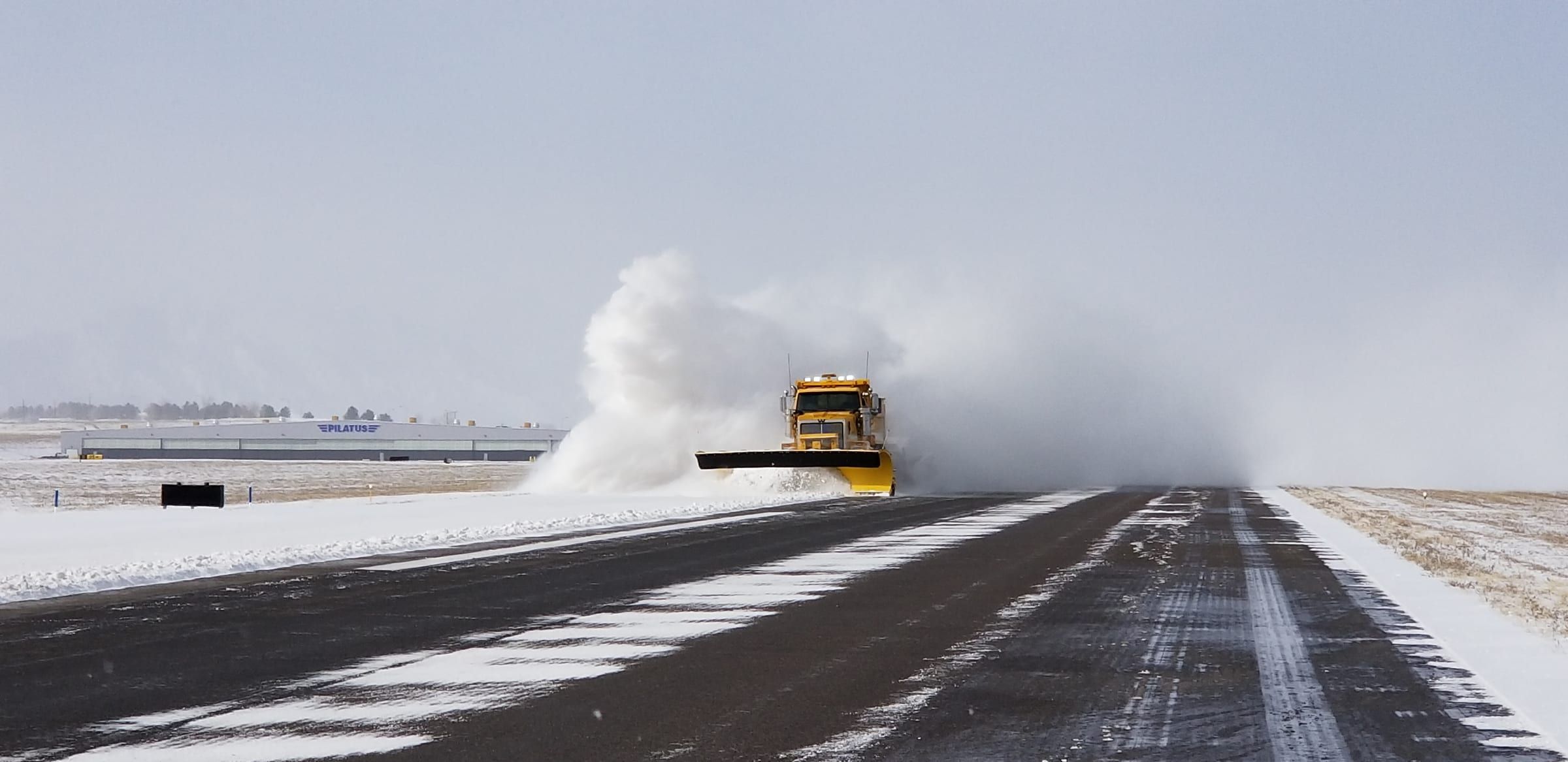
Photo: BJC Snow Removal, Brandon Murphy1, CC BY-SA 4.0
What we repair, from the top down.
Each part of a chimney wears out in its own way. The usual repairs are below, with the Broomfield weather behind them.
Crowns.
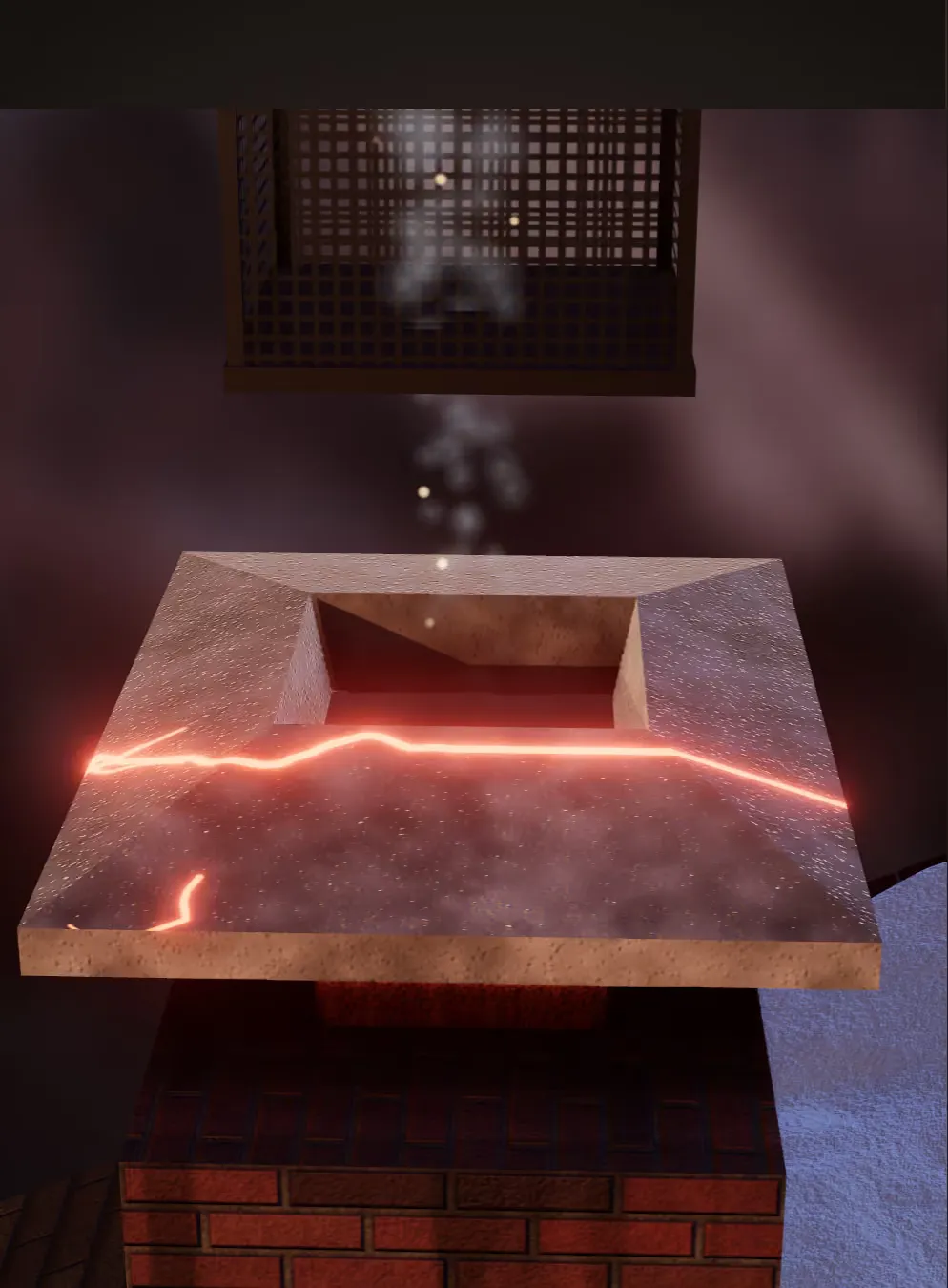
The crown is a concrete slab covering the head of the masonry. Water runs off it instead of into the brick and the flue, and nothing else on the chimney is exposed to as much weather.
In January a Broomfield day averages 18.9°F at the low and 46°F at the high (NOAA), so a hairline crack takes in water and widens as it freezes. A hairline crack can be sealed. Once a crown is crumbling, or has parted from the flue tile, sealing no longer helps and the whole slab must be rebuilt.
From our Google Business Profile Caps and screens.
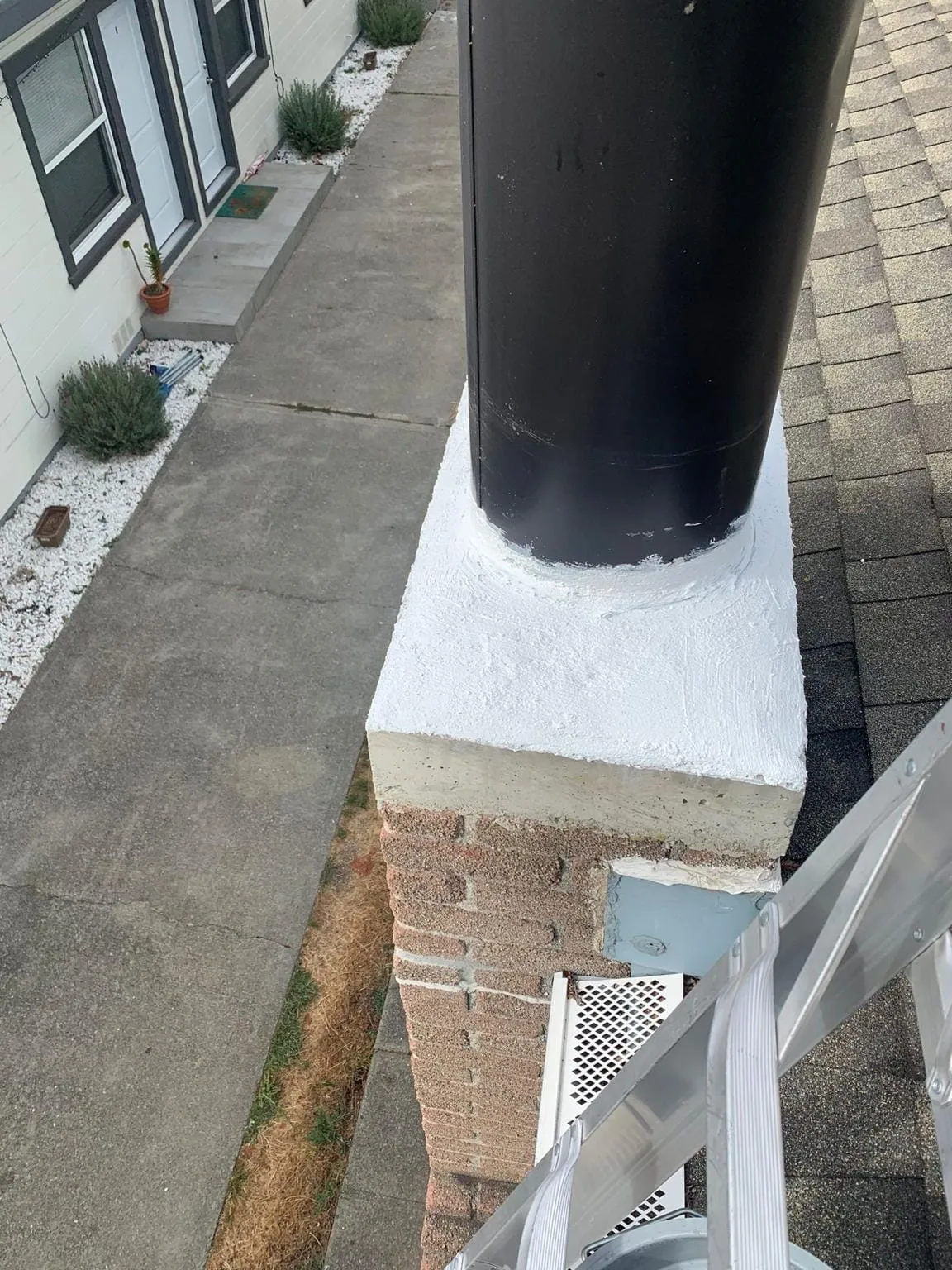
The cap shuts out birds, squirrels, rain and snow, and its screen doubles as the spark arrestor. Section R1003.9.2 of the model code (IRC) limits the screen openings to 1/2 inch at the widest.
Metal caps rust, and wind and hail bend them. Dents, loose fasteners, rust at the seams and a screen that has sagged or clogged are what to look for after a storm.
From our Google Business Profile Flashing, where roof meets brick.
Flashing is the weatherproof joint between chimney and roof. Snow stacks against the uphill face and melts slowly, so any lifted edge or worn sealant leaks right at that line. Indoors, the earliest sign is often a brown mark on a ceiling or on the attic wall by the chimney.
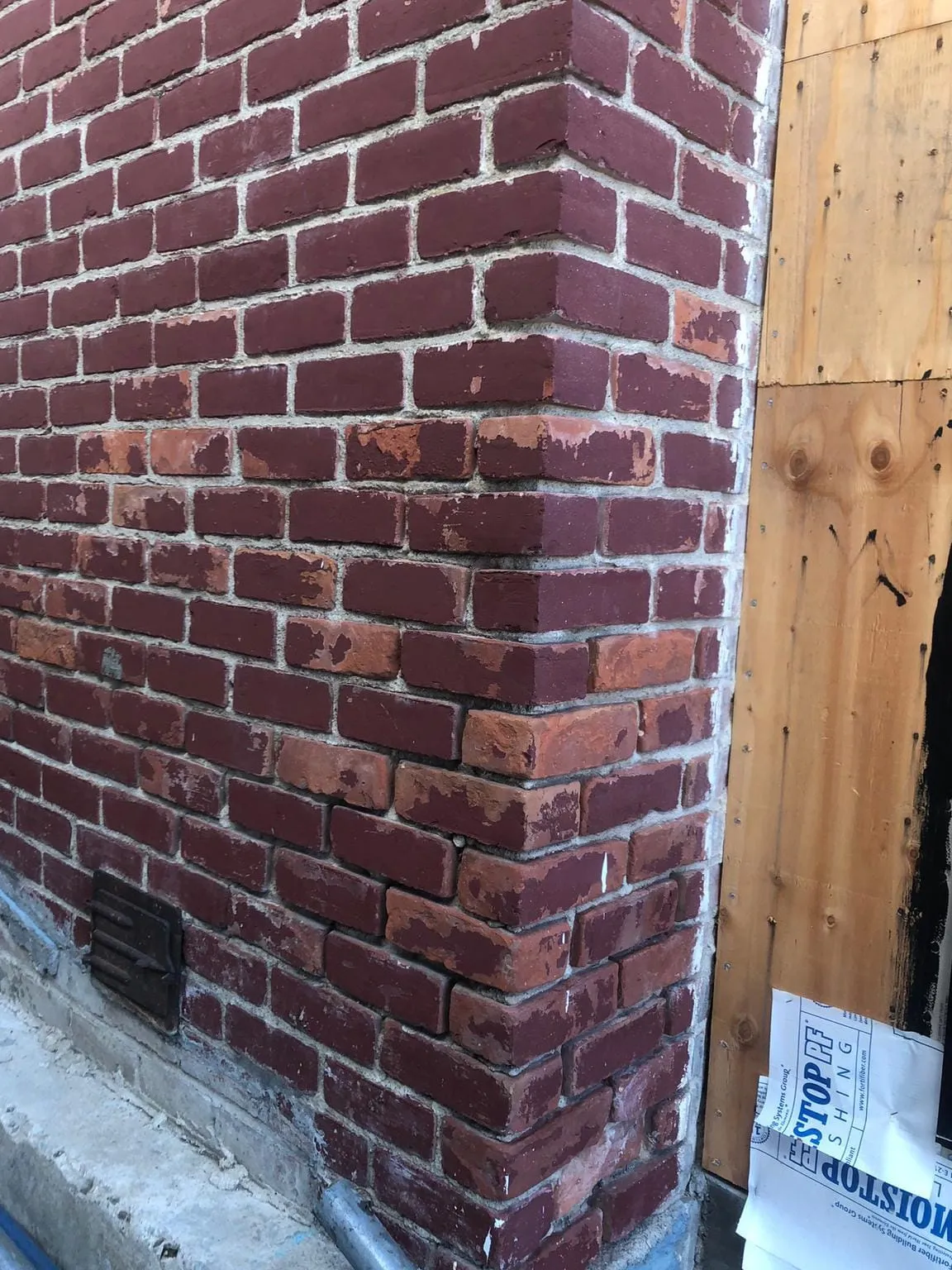
From our Google Business Profile Firebox.
Flame and heat land directly on the firebrick and the mortar between. Gaps and cracked brick pass that heat to the structure behind the firebox, so fixing a small gap protects the wood framing around the fireplace.
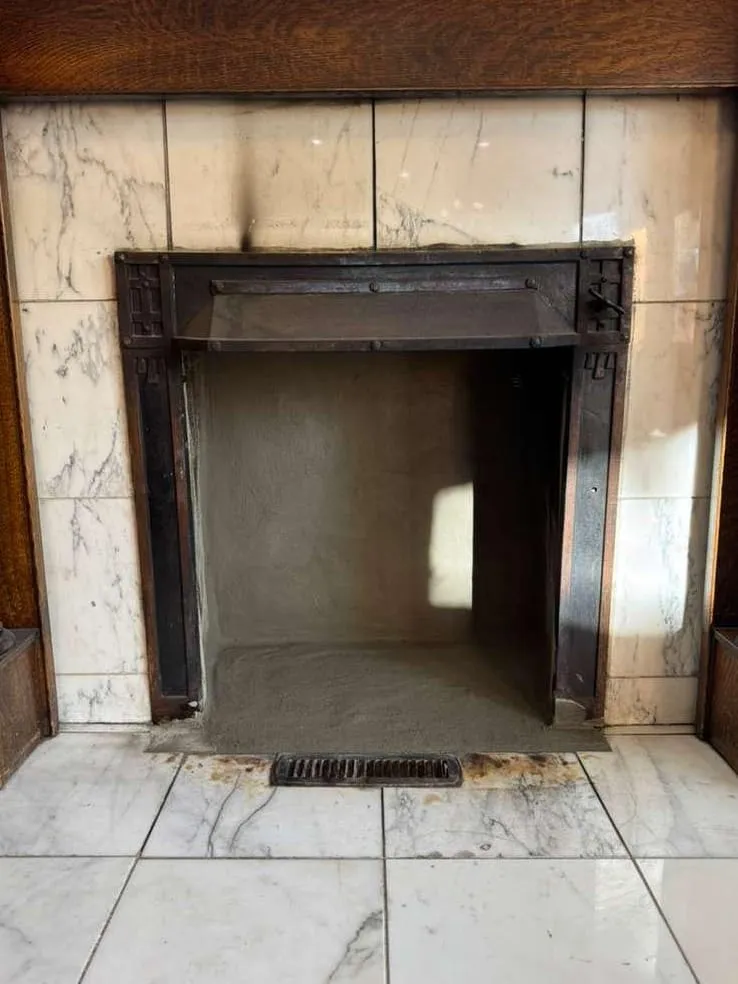
From our Google Business Profile The flue liner.
The liner runs up the middle of the chimney and carries smoke and heat out of the house. When a tile has cracked or slipped, or a metal joint has rusted open, heat can reach the framing and gas can reach the rooms, yet the fault is usually invisible from the firebox or the roof. Finding it takes a camera run up the flue, which is included in a Level 2 inspection. With 2002 as the median build year, most Broomfield liners are in their third decade.
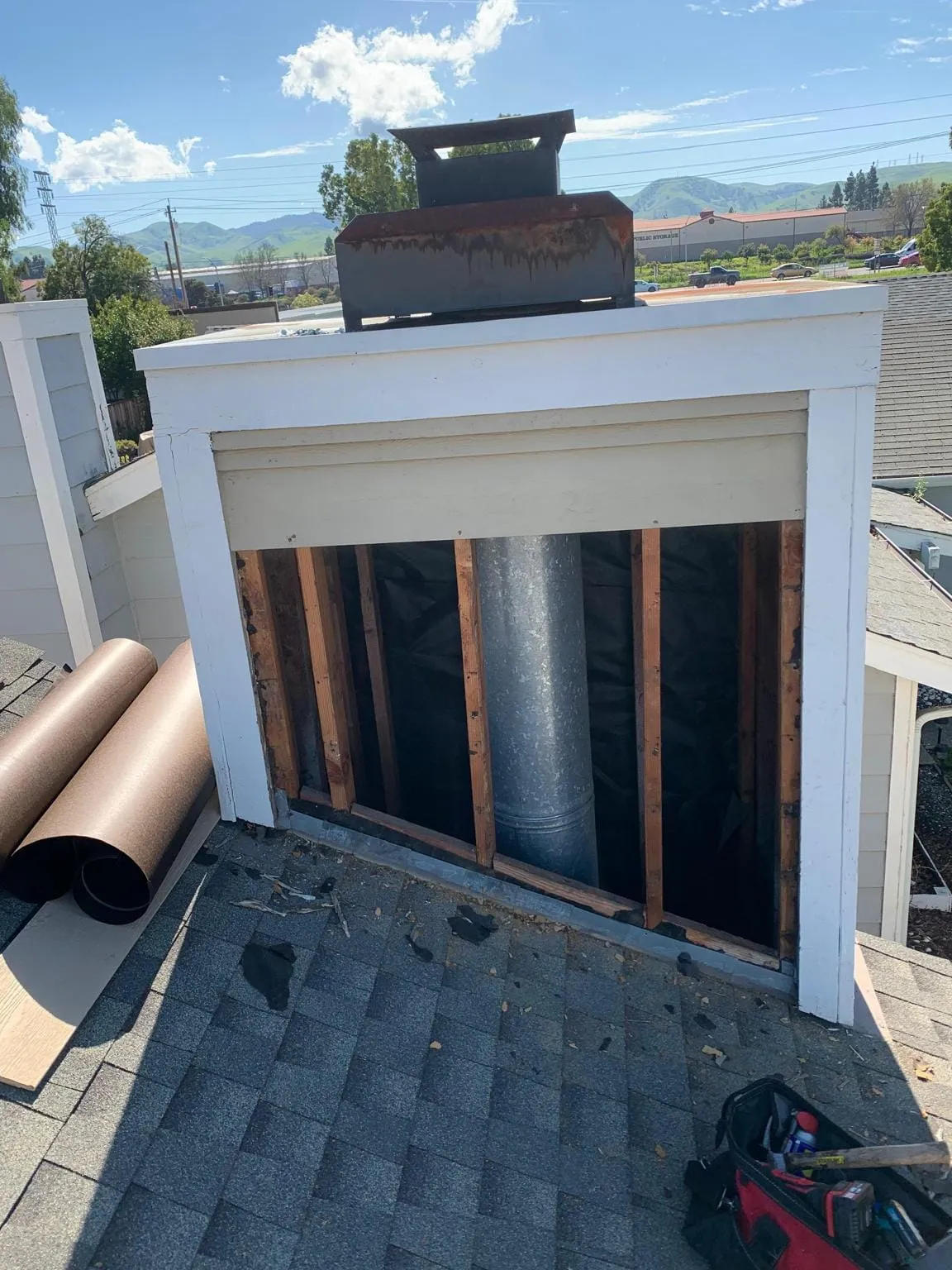
From our Google Business Profile Framed chases and their covers.
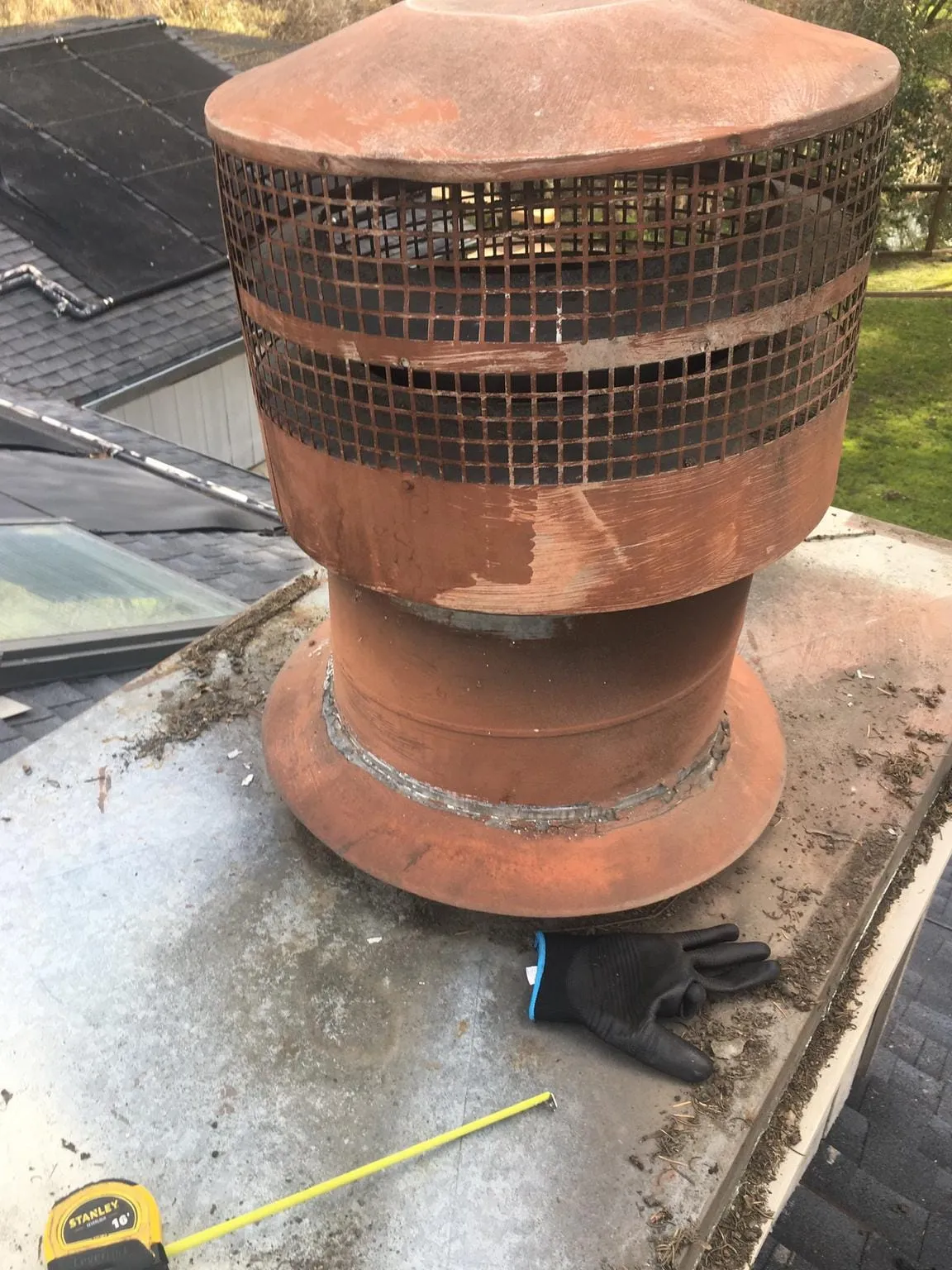
Many newer chimneys are a wooden box finished like the house, with a metal cover on top. When that cover rusts through or sags, rain pools on it and runs down the inside of the chase. A cap and screen on the flue, plus a cover that sheds water, keep the inside dry.
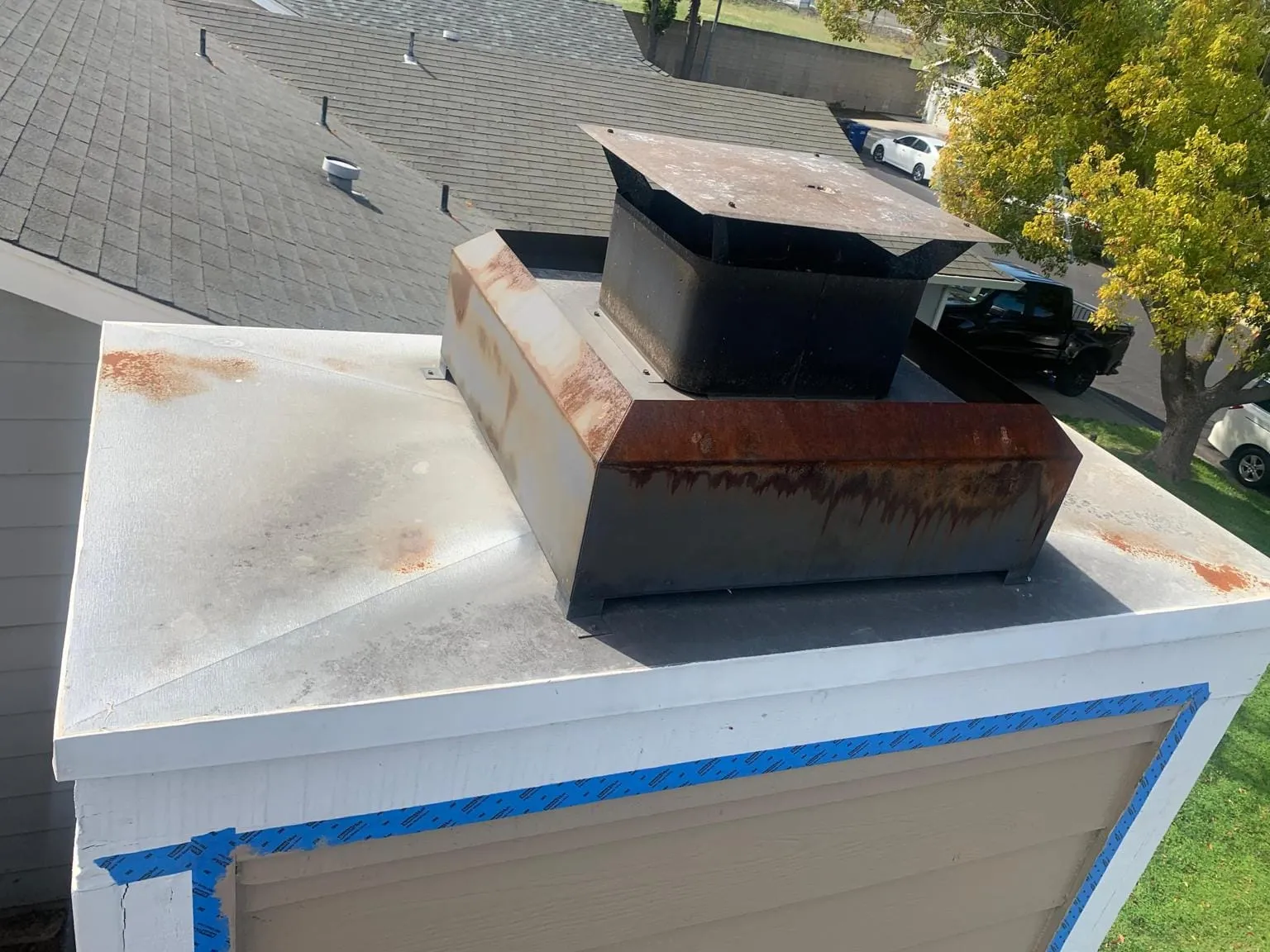
From our Google Business Profile
Questions about repairs.
Short answers, with a source where one exists.
Why does a crown crack?
The crown tops the chimney and goes through every freeze and thaw. Water gains about 9 percent in volume as it freezes, so a hairline crack full of melt water opens a little further each cold night. Repaired early it is a minor job; ignored, it admits moisture to the brick and the flue.
Should I worry about water in the firebox?
Usually, yes. Water on the hearth, or a mark on the ceiling beside the chimney, almost always starts at the top of the stack or at the roofline, in the cap, the crown or the flashing, or else in a worn mortar joint. Having it inspected shows which.
What is tuckpointing?
Tuckpointing renews the mortar between bricks. Because mortar is meant to wear out before brick does, worn joints are normal, but once they open, water gets in behind the face and frost does the damage. Renewing them early keeps the bricks in place.
Do I really need a cap?
Almost always. Without one, rain, snow, birds and squirrels can get into the flue, and the screen on top also stops sparks from escaping. Section R1003.9.2 of the model code (IRC) limits the screen openings to 1/2 inch.
Do you explain the work before it begins?
Yes. Before starting we describe what we found from cap to firebox, and the decision on what to fix, and when, is yours.
How do I get a repair started?
Call (983) 223-1467 (seven days a week, 7 AM to 9 PM), or fill in the form below at any hour and tell us what you have seen.
Book your visit.
Say what is wrong on the form, or just phone, and we will call you back to agree on a day.
- 1Reach out A phone call or a few lines on the form.
- 2We call you A person phones back and finds a day that works for you.
- 3Top to bottom The cap comes first, the hearth last, and nothing is skipped in between.
- 4Your decision We explain what we found; you choose what happens next.
Online
Any hour, through the form
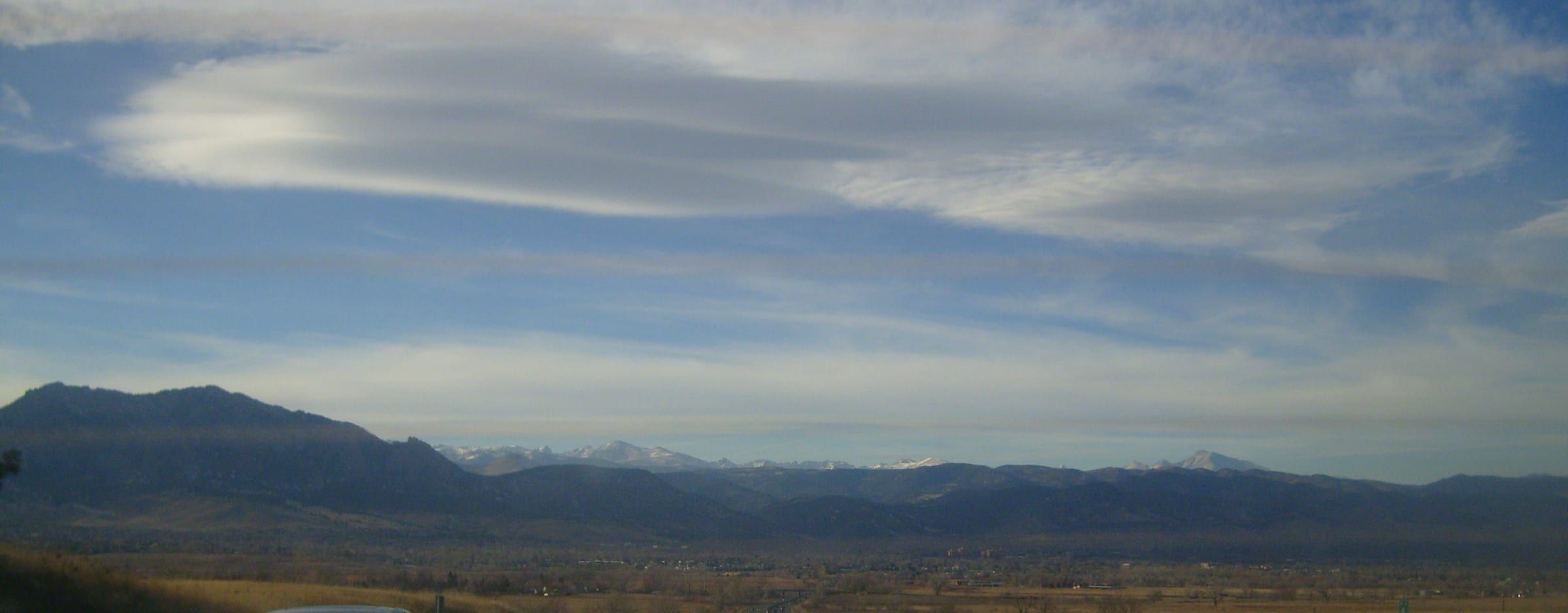
Photo: Highway mountains, plutonature333, CC BY-SA 3.0
Want the fireplace ready before the cold arrives, or unsure about something you noticed on the roof?
The office is open seven days a week, 7 AM to 9 PM. The form is open all day and night.Office open now, until Office opens . Book online now.
Book online