

Chimney sweeping and cleaning in Broomfield.
A sweeping visit clears creosote and soot from the flue, the smoke shelf, the firebox and any stove pipe. You can call, or book through the form whenever you like.
- reviews on Googleas of
The office is open seven days a week, 7 AM to 9 PM. The form is open all day and night.Office open now, until Office opens . Book online now.
- Book onlineAny hour
Photo: Mule Deer Near Metzger Farm Open Space, Colorado, nature80020, CC BY 2.0
Sweeping, step by step.
What leaves the flue, how often that should happen, and what to sort out before the first fire.
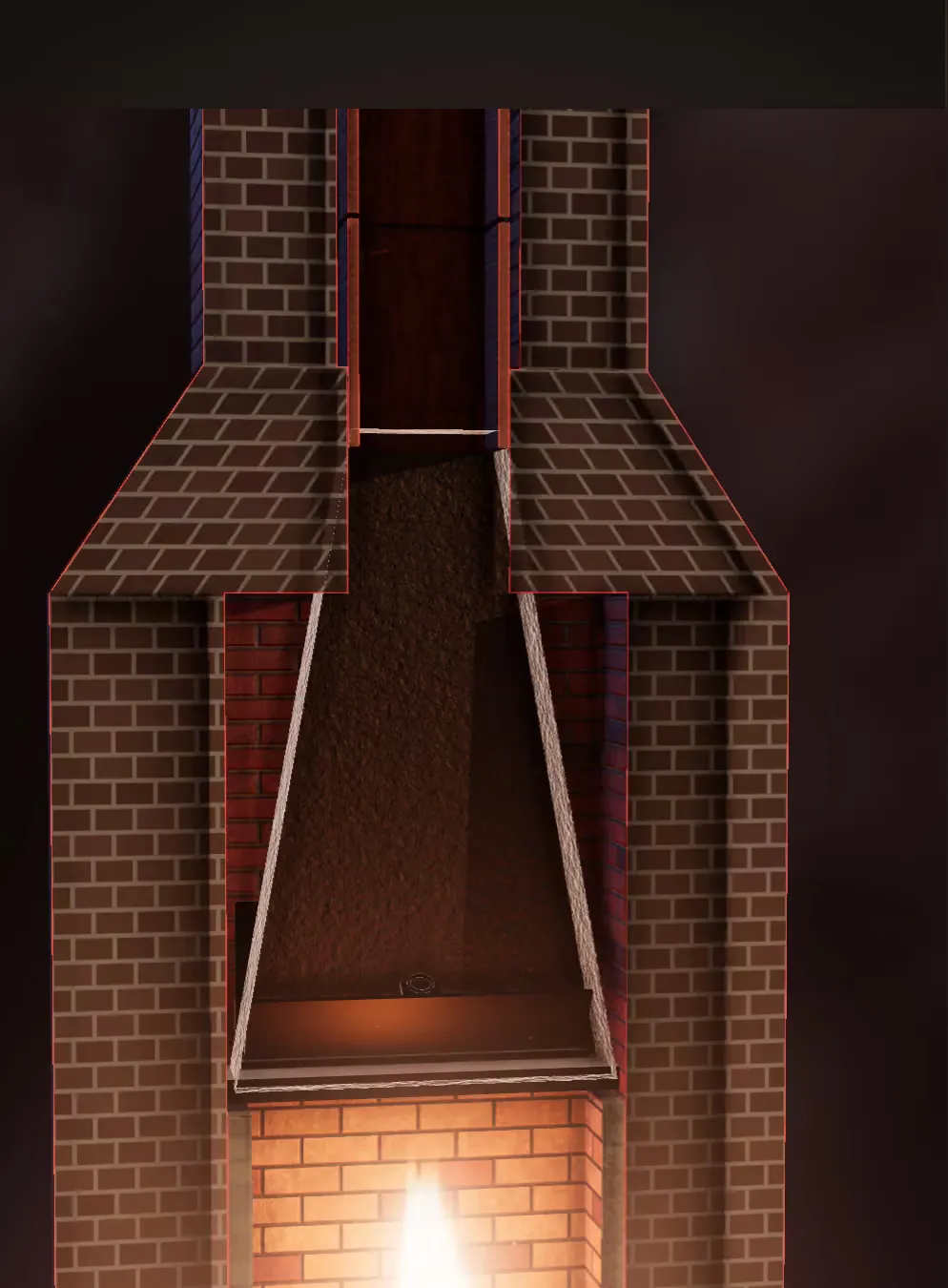
What the brush takes away.
As smoke rises and cools it leaves a film on the flue. Fresh film is dry, flaky soot. Slow, smoldering fires turn it into a tarry crust, and given enough winters it hardens into a shiny glaze that a brush hardly moves.
The brush starts at the damper and works down: the flue walls first, then the smoke shelf, then the floor of the firebox, with the debris carried out instead of left behind to fuel a later fire.
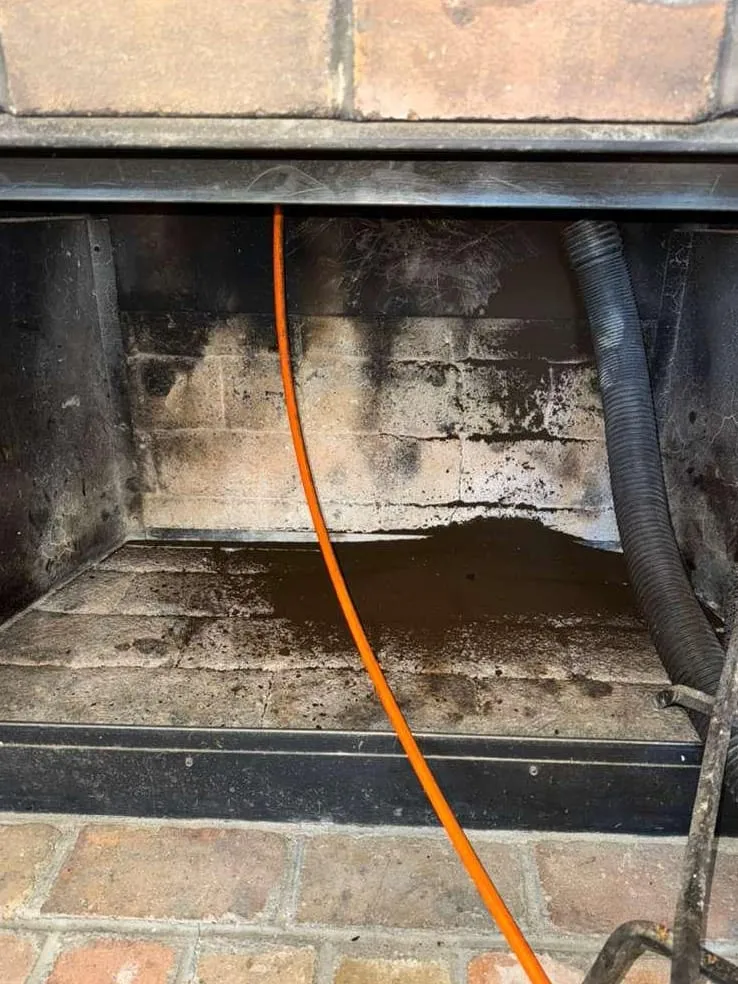
From our Google Business Profile Why a clean flue matters.
Creosote can burn, and that is the hazard: a chimney fire begins when a deposit ignites inside a flue designed for smoke, not for flame. Take the deposit away and a stray spark has little to catch on.
A flue free of deposits also pulls better, so smoke climbs out of the house instead of drifting into the room when you open the damper.
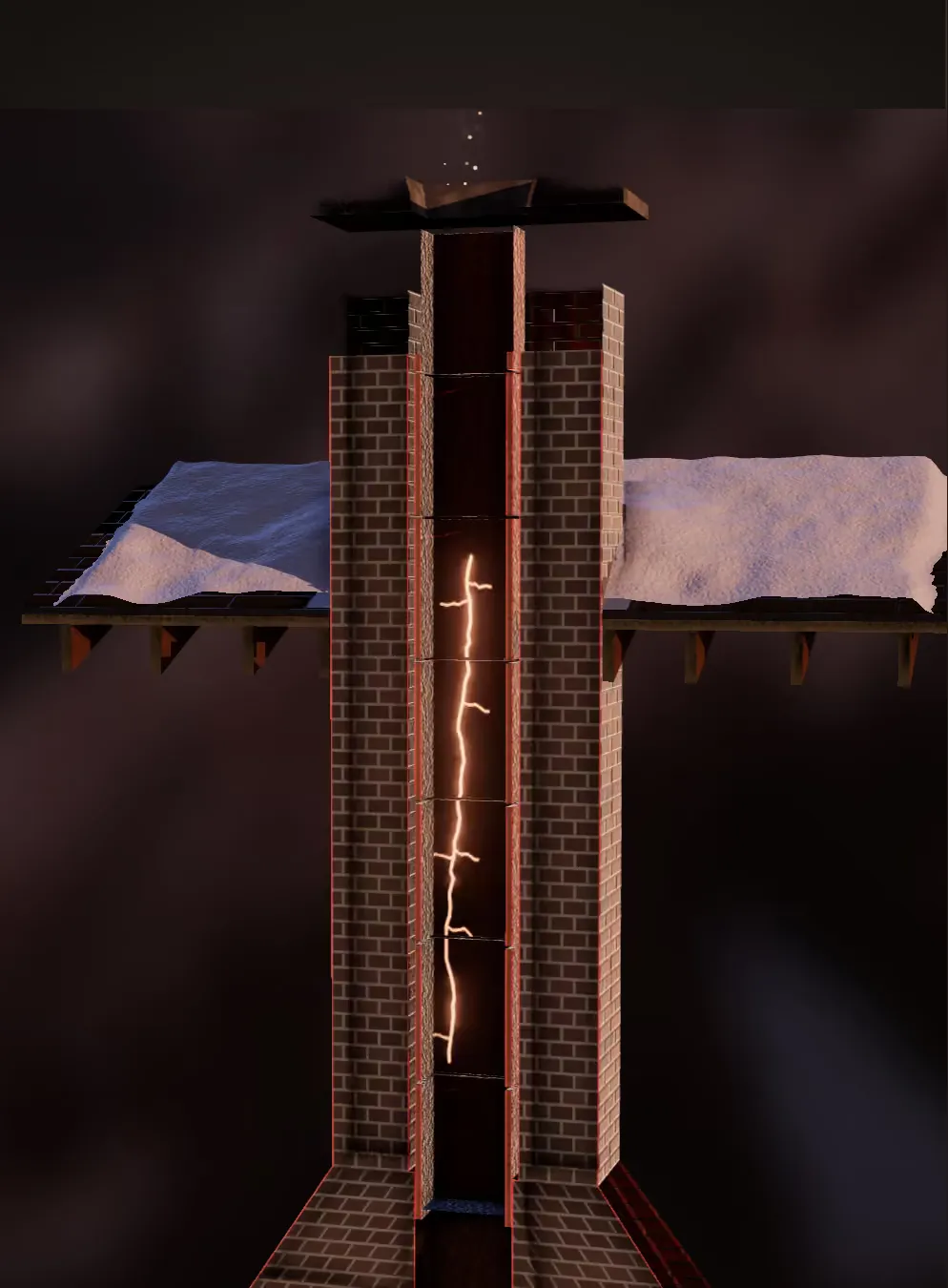
Illustration Stoves and inserts.
A stove damped down for an overnight burn runs cool, and cool smoke is what lays down creosote fastest. It builds up first in the connector pipe that runs from the stove to the chimney.
On a stove job we look at the connector pipe and its joints, then the flue or liner above, then the cap, so that the entire smoke path is clear.
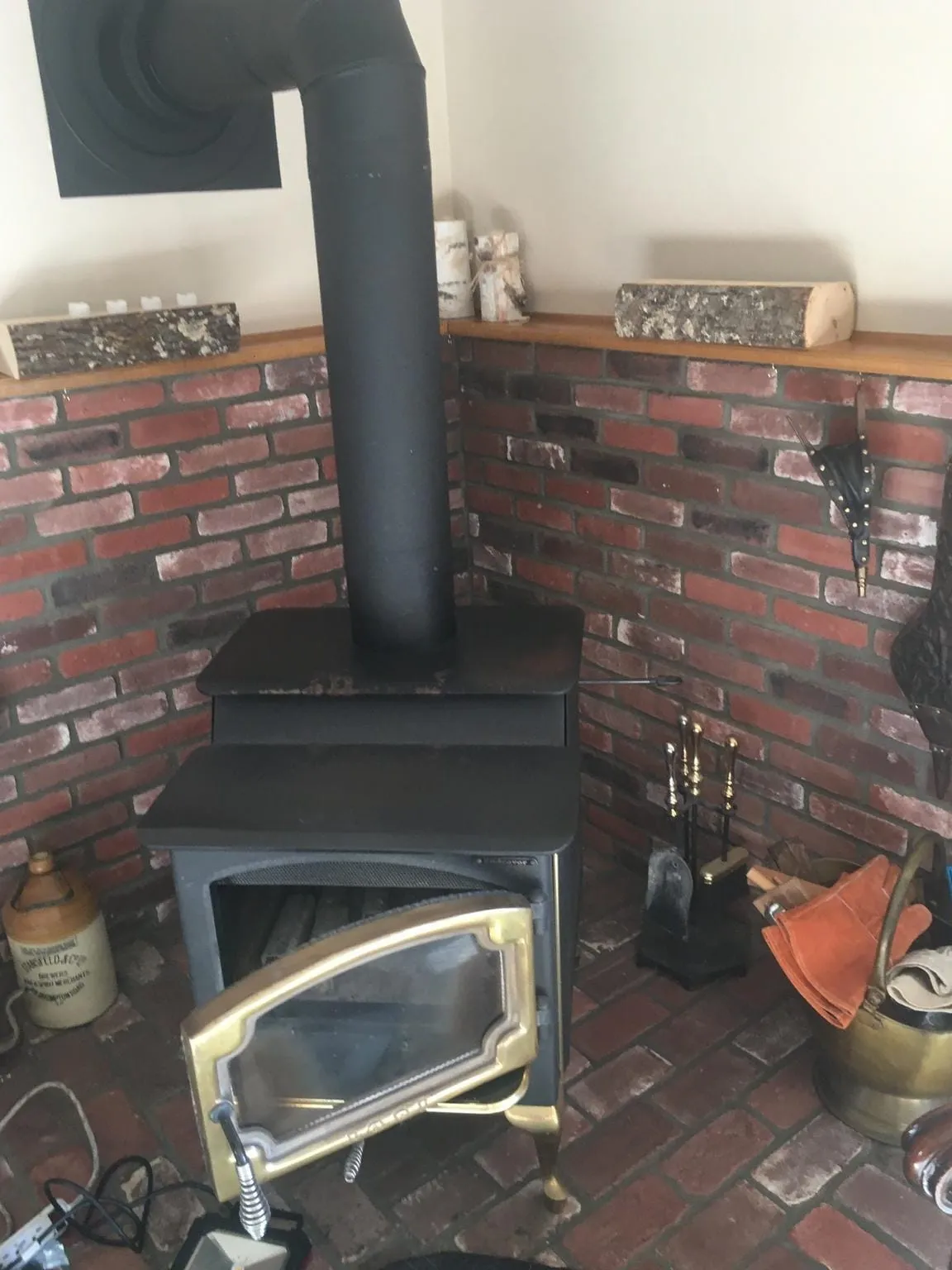
From our Google Business Profile At the very top.
At the cap the smoke has cooled the most, and soot clings where it cools. A clogged screen starves the draft, but the screen is also what stops embers leaving, so cleaning it is part of every sweep.
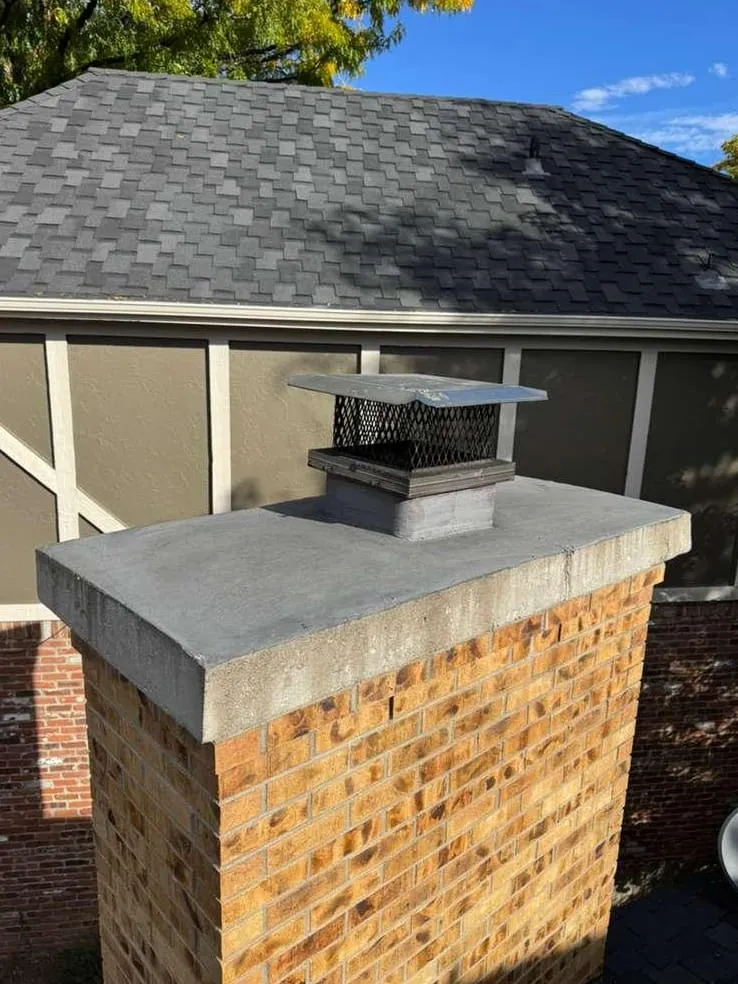
From our Google Business Profile
Questions about sweeping.
Short answers, with a source where one exists.
When does a chimney need sweeping?
Look at the deposit rather than the date. The rule of thumb from the Chimney Safety Institute of America is 1/8 inch, sooner if the surface is shiny. NFPA 211 asks for a yearly inspection, and the check of that thickness happens on that visit.
Sweep or inspection: which one do I need?
A sweep removes deposits. An inspection assesses the chimney itself, cap to firebox, at one of the three NFPA 211 levels. Because soot can hide a defect, the two are often done on one visit.
What is glazed creosote?
Glaze is creosote that has baked into a hard, glossy, tar-like layer. It forms when smoke cools slowly, which a damped-down stove makes likely, and it resists a brush far more than dry soot does, so finding it is a cue to book sooner.
Does a gas fireplace need sweeping?
No creosote builds up with gas, but the vent still has to stay clear. Bird nests, leaves and fragments of a deteriorating liner can obstruct it, and NFPA 211 advises a yearly check of gas venting too.
Why does the smell get worse in summer?
Heat and humidity bring out the odor of creosote, and a downdraft can push it into the room. Clearing the deposit cures the cause.
How do I book a sweep?
Call (983) 223-1467 (seven days a week, 7 AM to 9 PM), or send the form below whenever you like; someone phones you back to pick a day.
Book your visit.
Say what is wrong on the form, or just phone, and we will call you back to agree on a day.
- 1Reach out A phone call or a few lines on the form.
- 2We call you A person phones back and finds a day that works for you.
- 3Top to bottom The cap comes first, the hearth last, and nothing is skipped in between.
- 4Your decision We explain what we found; you choose what happens next.
Online
Any hour, through the form
Photo: Highway mountains, plutonature333, CC BY-SA 3.0
Want the fireplace ready before the cold arrives, or unsure about something you noticed on the roof?
The office is open seven days a week, 7 AM to 9 PM. The form is open all day and night.Office open now, until Office opens . Book online now.
Book online